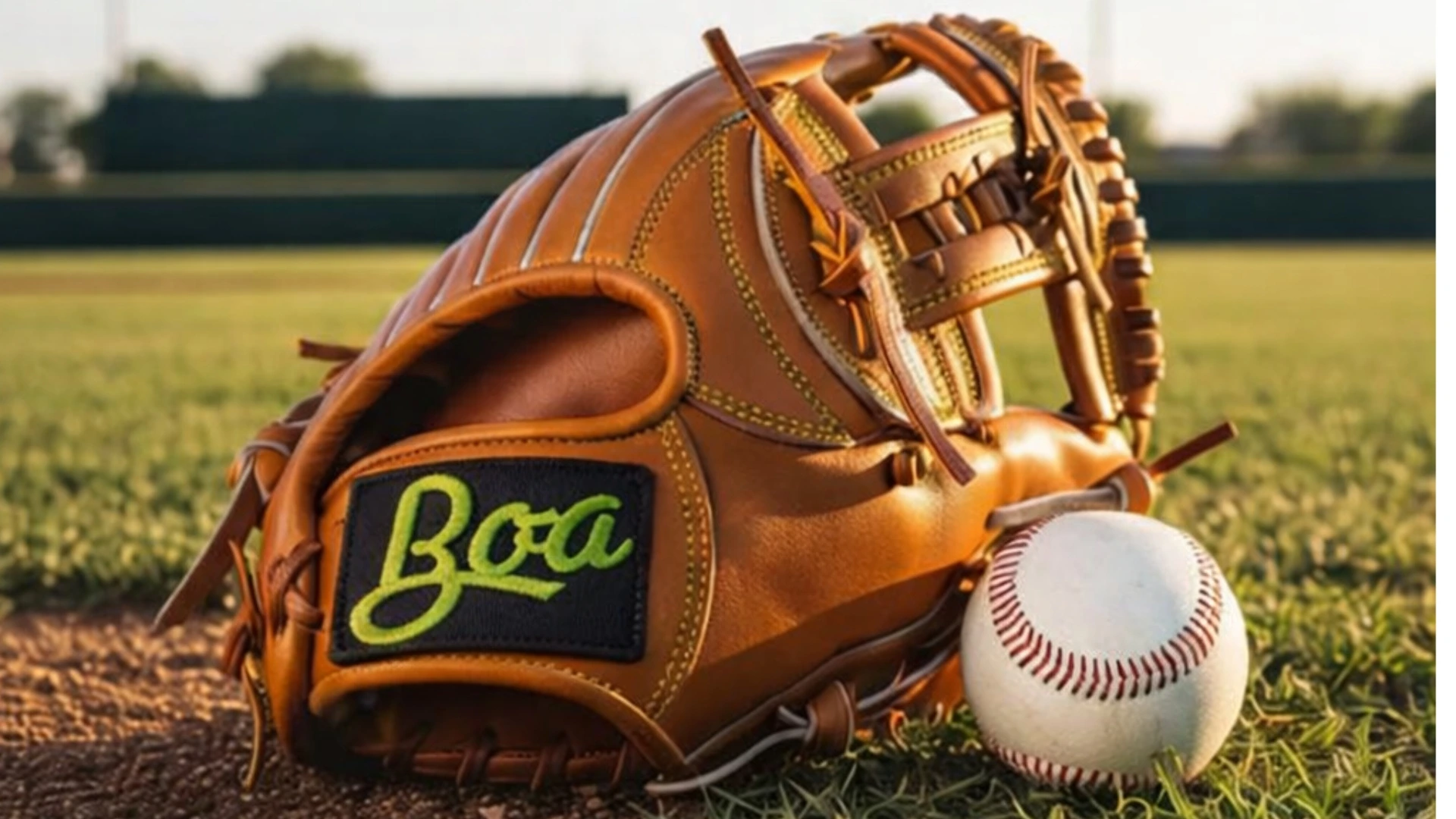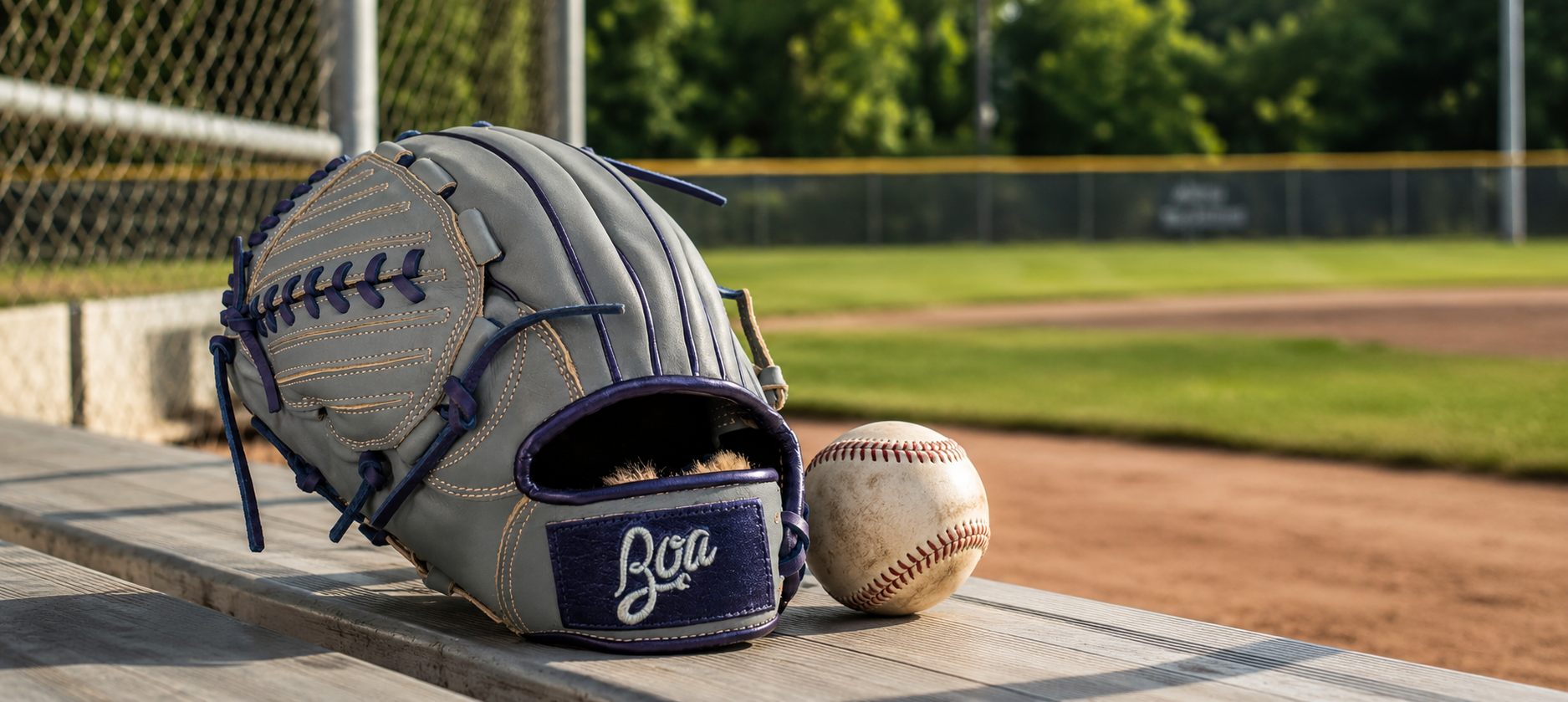
Baseball glove leather comes in several grades and hide types, and the terms are not always equivalent. Cowhide is a broad category of cattle leather, while full grain describes how the surface of the hide is processed. Kip leather generally comes from younger cattle, while steerhide comes from mature steers. In practice, players should focus on differences in weight, structure, feel, break in time, and durability when choosing a glove leather.
Why Does Glove Leather Matter For Performance?
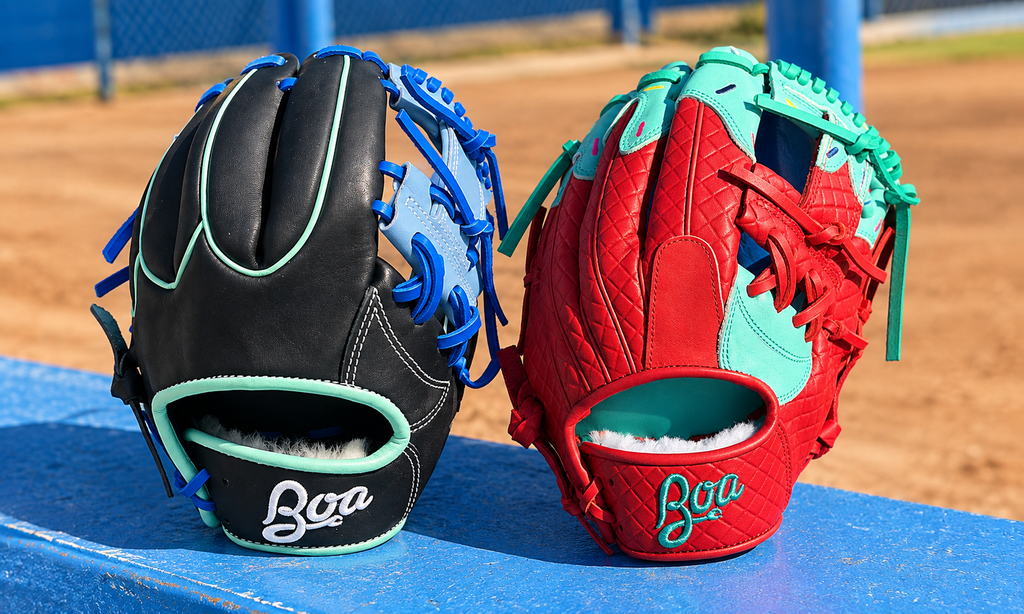
Leather choice shapes four outcomes on the field: break-in speed, appearance, feel, and price. Lighter hides shorten the wait before a glove pockets a ball cleanly, but they can wear thin faster. Denser hides demand more patience up front, then tend to reward players with years of dependable structure. Every decision a family or player makes about baseball glove leather starts with weighing those factors against budget and how soon the glove needs to be game-ready.
Boa Custom builds each glove using hand-stitched construction rather than machine assembly. Infielders often want a tight, responsive pocket, while outfielders tend to prioritize a deep, secure web, construction choices that can influence how a glove feels at each position.
What leather does Boa Custom use for its gloves?
Boa Custom builds gloves primarily from kip leather and steerhide. Kip offers a lighter, more flexible feel that can shorten break-in time, while steerhide brings added weight and structure that some players prefer for long-term durability. The right choice depends more on a player’s preferred feel than on age or position alone.
Does leather type really change how a glove performs?
Yes, leather grade affects baseball glove materials performance across a season. A glove built from a lighter hide may feel game-ready within weeks but can lose shape sooner. A glove built from kip or steerhide generally takes longer to soften, but it tends to hold its pocket and perform more consistently through repeated games, practices, and weather exposure.
What Are The Main Baseball Glove Leather Types?
Not all leather terms describe the same thing, and it helps to know how they relate before comparing them. Cowhide is the broad category most baseball gloves come from. Full grain describes the top layer of a hide left intact during tanning, a quality marker that can apply to cowhide generally, not a separate animal source. Kip and steerhide, by contrast, describe the maturity of the animal itself: kip comes from younger cattle, steerhide from mature steers. Because kip and steerhide represent the most meaningful practical difference in feel and durability, this guide focuses on comparing those two rather than treating all four terms as separate, equivalent categories.
Full-grain leather keeps the natural grain intact on either steerhide or cowhide, preserving the hide’s original texture and strength. That intact grain structure is a major reason full-grain hides hold up under repeated impact from thrown and batted balls.
What Makes Kip Leather Different From Steerhide?
Kip leather comes from younger cattle, producing a thinner, lighter hide that breaks in faster. Steerhide comes from more mature cattle, producing a thicker hide that trades some early flexibility for added long-term structure. The kip leather vs steerhide decision often comes down to whether a player wants a glove that feels game-ready sooner, or one built to hold its shape over several seasons of use.
A side-by-side comparison of the two hides highlights where they diverge in practical terms:
| Leather Type | Weight | Break-In Speed |
|---|---|---|
| Kip | Light | Fast |
| Steerhide | Heavy | Slow |
Kip may appeal to players who prefer a lighter, more flexible glove with a faster break in, while steerhide may appeal to players who prefer additional structure and a firmer feel. Position can influence that preference, but there is no single leather type that every player at a particular position should use.
Kip Leather Vs Steerhide: Which Is Right for Your Glove?
Personal feel and playing style, more than position alone, tend to decide which hide a player prefers. Kip leather offers a lightweight, flexible build that many players appreciate for quicker hand speed. Steerhide trades some of that immediate flexibility for bulk, typically delivering the heaviest construction and longest break-in period among common glove leathers.
Some infielders lean toward kip for its lighter feel, which can support faster transfers on ground balls. Other players, including some outfielders and catchers, prefer steerhide’s added weight and stiffness for its durability against repeated impact. Preference ultimately comes down to the individual player rather than a fixed rule by position.
Does Kip Leather Break In Faster Than Steerhide?
Yes. Kip leather generally breaks in faster than steerhide, making it a practical pick for players who need game-ready gear without months of glove work. Steerhide demands patience; its density resists shaping early on but rewards players with long-term durability once broken in properly.
Kip versus steerhide ultimately comes down to priorities: faster break-in and a lighter feel, or added weight and long-term toughness. Boa Custom works with both leathers, so players can choose based on what matters most to their game.
Because no two players move the same way, Boa Custom’s custom glove design process lets each customer build a glove around personal needs rather than choosing from a generic model. That flexibility gives parents, coaches, and players room to weigh baseball glove materials on their own terms and pick the hide that matches their game.
What Leather Works Best For Youth Vs Advanced Players?
Youth players often prioritize a faster break-in, while advanced players may prioritize durability for repeated, high-intensity use, though this comes down to hand strength and personal preference more than age alone.
Which leather is best for young players?
Kip leather’s faster break-in can be appealing for younger players, since it doesn’t require weeks of repetitive practice to soften. That said, hand strength and how often a player practices matter more than age by itself. Some younger players break in heavier hides just fine with regular use, while others prefer starting with a lighter, more flexible glove.
That faster break-in can come with a trade-off: lighter hides may not hold up as long under heavy, repeated use as thicker, more structured leather. For players who are still growing and cycling through glove sizes anyway, that shorter lifespan often matters less than getting a glove that’s easy to break in quickly.
What should advanced players look for instead?
Older, more experienced players often prioritize durability and long-term feel over a quick break-in. As skill level rises, gear demands shift toward gloves built for daily wear across a full competitive season.
This is where custom construction can help. Boa Custom’s design process allows customers to build a glove suited to their own preferences, whether that means a specific leather, position, or fit, giving developing and advanced players alike a glove built for how they actually play.
How Does Boa Custom Choose Leather For Your Glove?
Choosing custom baseball glove leather comes down to balancing feel, durability, and how much break-in time a player has. Boa Custom works with kip and steerhide leather, and material choice comes down to a player’s feel preferences rather than a fixed formula. Weighing kip against steerhide comes down to what a player values most: a lighter, faster break-in, or a denser, longer-lasting structure built for heavy use.
Every glove reflects the same standard of craftsmanship, regardless of hide selected. Boa Baseball Gloves are built from premium baseball glove materials, then hand-stitched to help lock in shape and support through repeated game action.
Which leather should a young player choose?
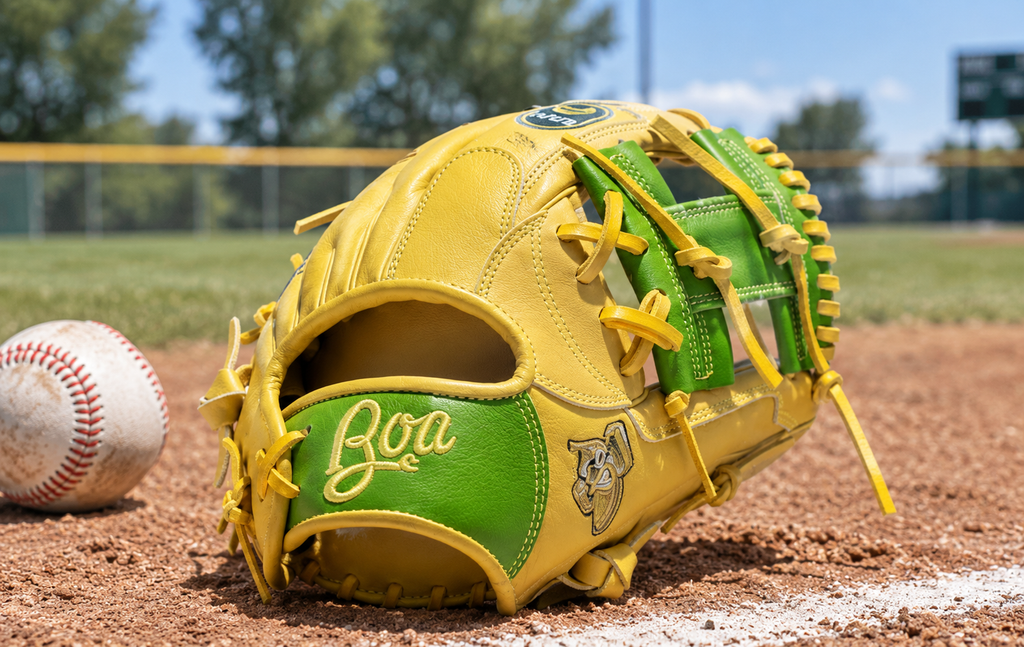
Youth and travel-ball athletes often benefit from kip leather’s quicker break-in period, since practice time is limited and game reps matter. Steerhide can suit players of any age who want a glove that holds its pocket over multiple seasons, though it requires more break-in time upfront.
A few notes worth keeping in mind when comparing the two:
- Kip leather favors a quicker break-in and a lighter feel.
- Steerhide favors long-term structure and wear resistance.
- Preference often comes down to individual playing style more than age or position alone.
FAQ
What leather type is best for a beginner or young player?
- There is no single best leather for every young player. A lighter leather with a manageable break in can be easier for some younger players to use, while others may comfortably handle a more structured glove. Hand strength, playing frequency, budget, desired feel, and break in preference should all factor into the decision.
Why does Boa Custom use kip and steerhide instead of standard cowhide?
- Boa Custom works primarily with kip and steerhide because the two hides offer a clear contrast in feel and durability, giving players a meaningful choice based on how they play. Each glove is hand-stitched rather than machine-assembled.
Is a faster break-in always better for a glove?
- Not necessarily. Kip leather breaks in faster but is lighter overall, while steerhide takes longer to soften yet tends to hold its pocket and resist wear longer once broken in. Neither is universally “better.” The right pick depends on how much break-in time a player has and what they prioritize.
Conclusion
In closing, selecting the right leather for your baseball glove shapes how the equipment performs and feels throughout your season. Whether you prioritize durability, break-in speed, or weather resistance, understanding these leather characteristics empowers you to make a choice aligned with your playing style and demands. At Boa Custom, we recognize that the ideal glove combines quality materials with personalized design, allowing you to build gear that matches your exact specifications and elevates your confidence on the field.