Cleaning and conditioning a leather baseball glove without damaging the leather calls for mild products, a light touch, and attention to how the glove actually looks and feels rather than a fixed calendar. Cleaning starts with brushing away loose dirt, then wiping the leather with a gentle, water-based cleaner that lifts grime without stripping natural oils. Conditioning follows once the glove is dry, using a dedicated leather conditioner applied sparingly to restore flexibility without over-softening the hide. Boa Custom recommends this approach, clean first, condition in moderation, and store the glove correctly, as the core of sound baseball glove maintenance.
What do you need before cleaning your glove?
Proper preparation protects premium leather before any product touches the glove. Boa Custom gloves are built from high-grade Kip and Steerhide leathers, and both materials respond best to a gentle, water-based cleaner rather than oil-heavy or harsh chemical formulas. A water-based cleaner lifts dirt and sweat without drying out the leather or leaving a greasy residue, and it works on every glove color, including custom finishes.
What type of cleaner works best for premium leather gloves?
Water-based cleaners outperform oil-heavy alternatives on hand-stitched gloves. Boa Custom gloves are hand-stitched from premium leather, so harsh chemicals that strip natural oils will accelerate cracking along the seams and fingers. A pH-neutral, water-based formula lifts dirt and sweat without compromising the leather’s integrity or altering its color.
How should a player test a new cleaning product?
Before applying any new product to the full glove, spot test it on a small, less visible area such as the wrist lining or under the thumb strap. Apply a small amount, let it dry completely, and check for discoloration or texture changes before treating the rest of the glove.
How do you clean a baseball glove step by step?
Cleaning removes dirt, sweat, and field grime from the leather surface. A water-based cleaner preserves the glove’s original color and finish, while skipping regular cleaning lets grit grind into the leather fibers and leaves the surface dry, stiff, and prone to cracking.
What supplies are needed for baseball glove cleaning?
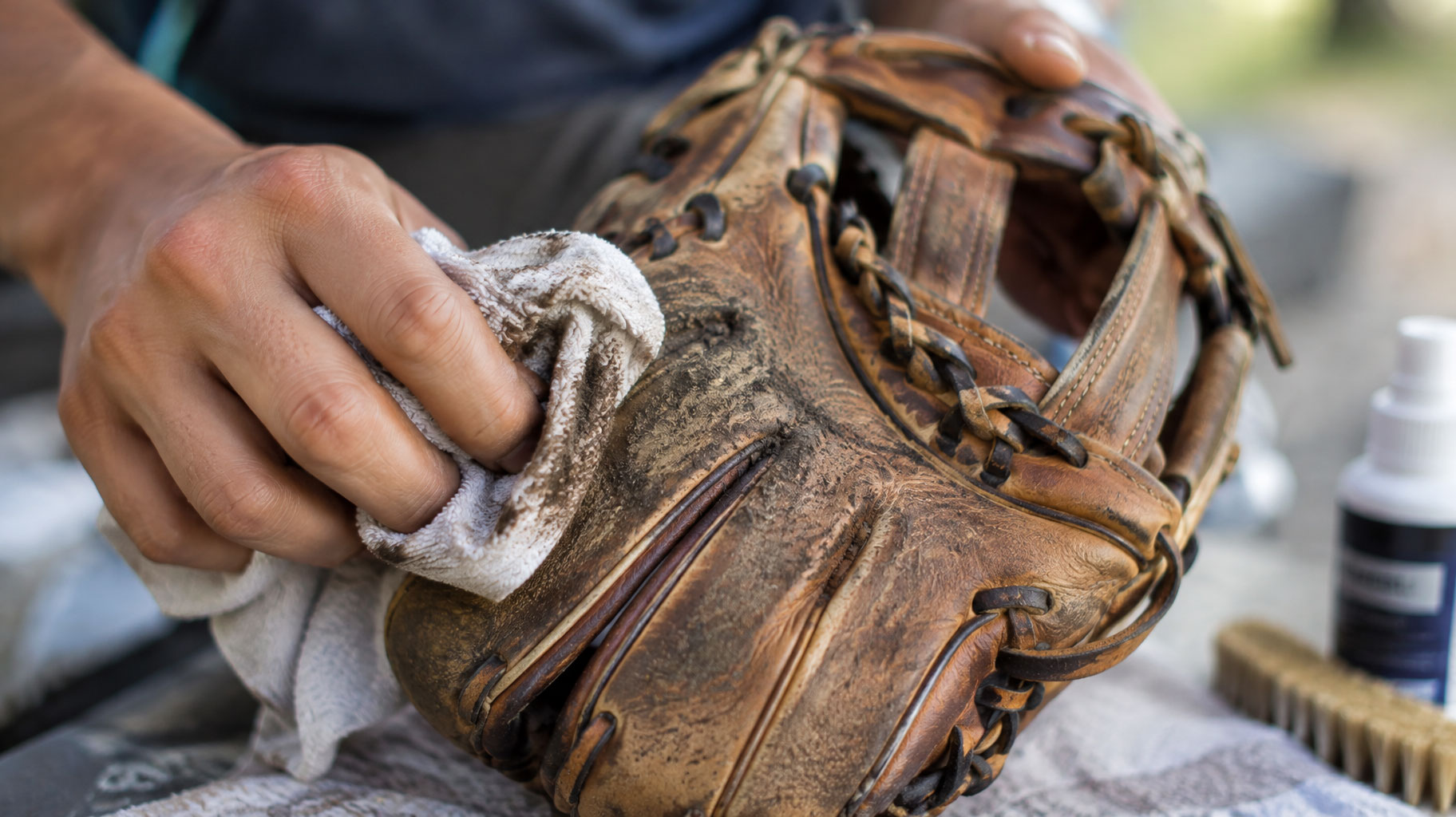
A basic cleaning kit covers most gloves: a water-based leather cleaner, a soft microfiber cloth, and a glove brush for loosening dried dirt before wiping. This combination removes field buildup without leaving residue or clogging the leather’s pores, and it is safe on every glove color.
How do you clean the leather step by step?
Brush the glove’s surface gently with a dry glove brush to remove loose dirt and debris.
Apply a small amount of water-based leather cleaner to a clean microfiber cloth.
Wipe down all leather surfaces using light circular motions, focusing on the palm and finger stalls.
Use a dry section of the cloth to remove excess cleaner immediately.
Let the glove air dry completely at room temperature before conditioning or storage.
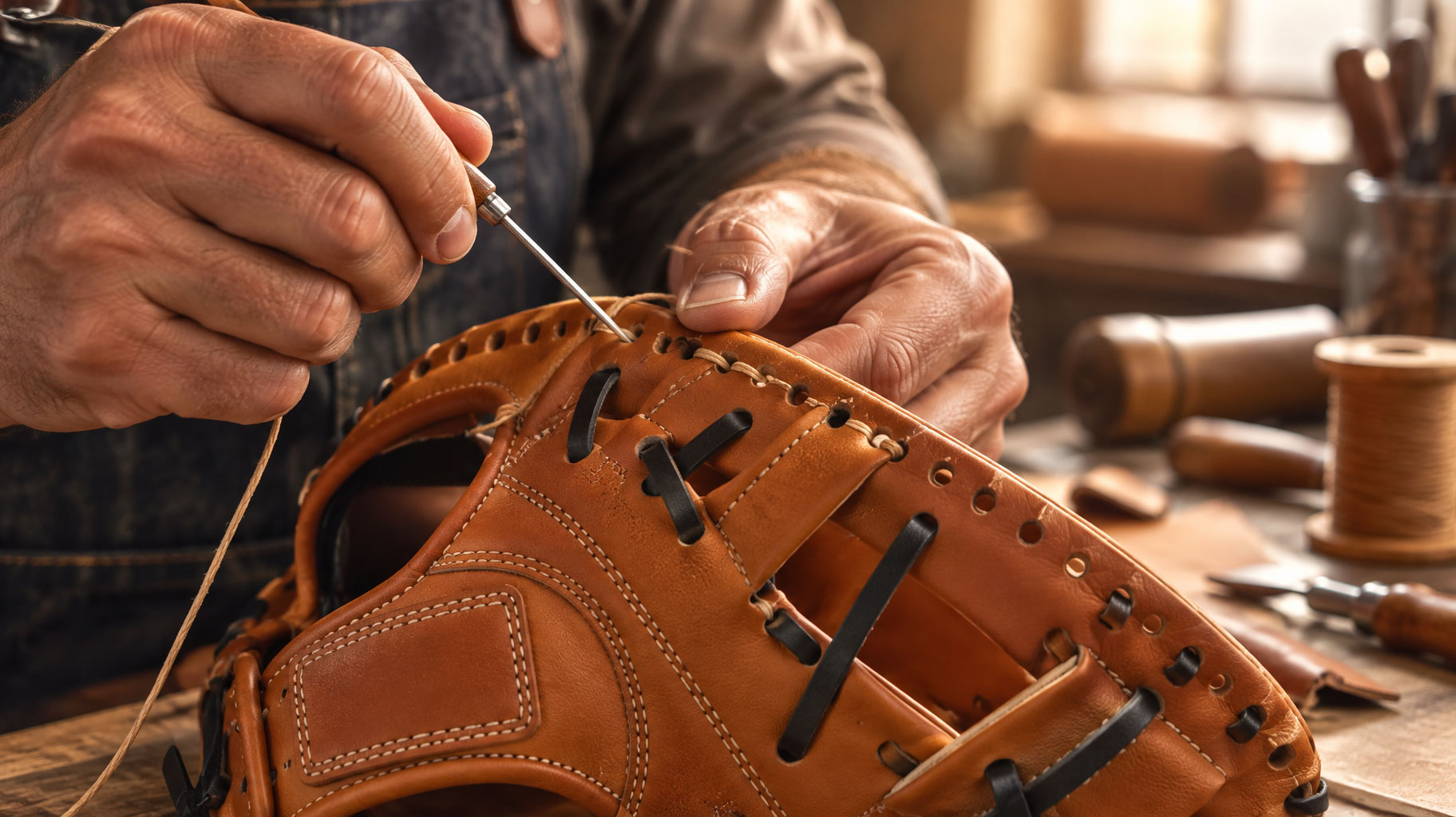
Boa Custom builds every glove through a tailored, hand-stitched process, which is why a few extra minutes of cleaning protects the investment. Once the glove is fully dry, it is ready for conditioning, covered step by step below. For a new glove that still feels stiff after cleaning, Boa Custom’s break-in guide covers safe ways to soften the leather.
How often should players clean a baseball glove?
There is no fixed clock for cleaning a glove. Players in dusty infields or wet, humid conditions often need a quick wipe-down after every game, while a glove used less often may only need attention every few weeks. The better guide is the leather itself: clean whenever dirt, dust, or sweat residue is visible, rather than waiting for a set number of weeks to pass.
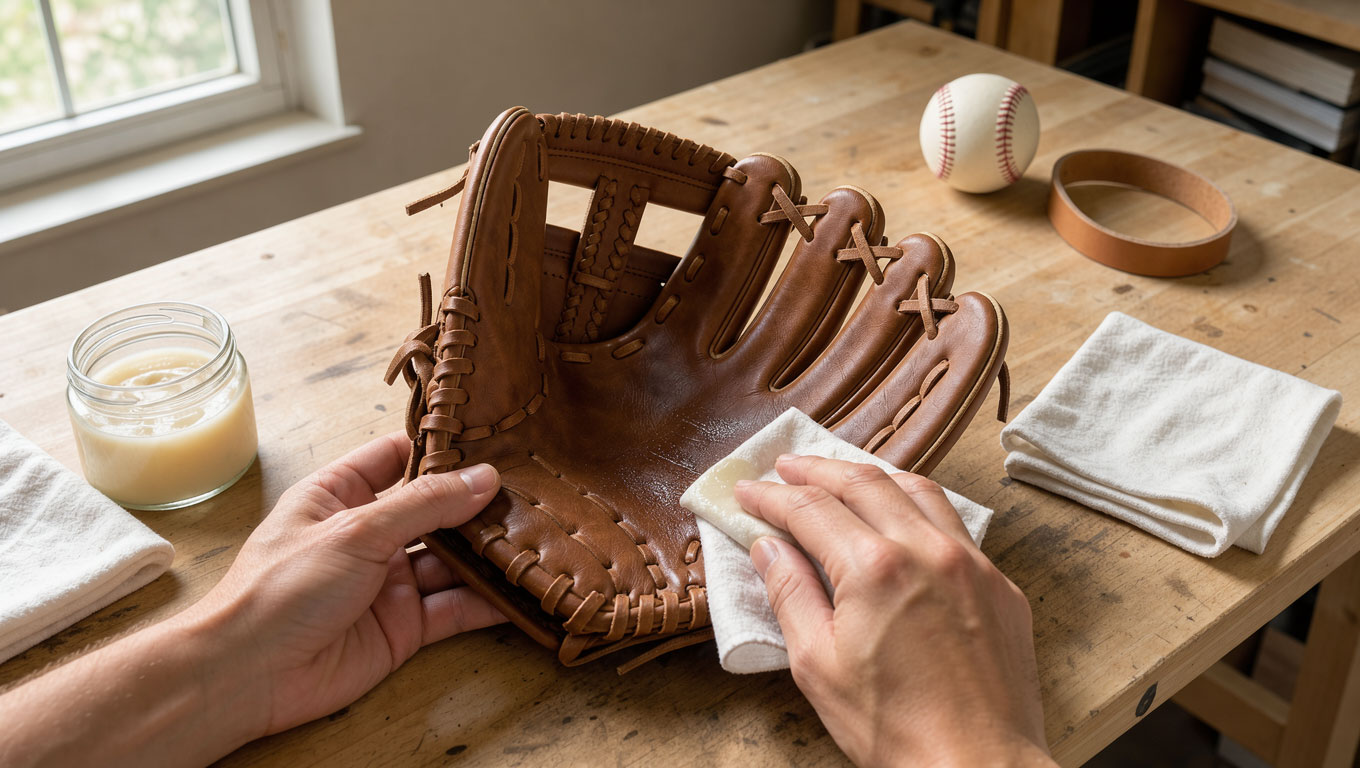
How do you condition and store your glove afterward?
Conditioning restores the moisture and flexibility that cleaning and regular play draw out of the leather. A dedicated baseball glove leather conditioner penetrates the hide to prevent stiffness and cracking, but conditioning is easy to overdo. Apply it sparingly and only when the leather needs it, not on a fixed schedule, since excess product makes the glove heavy, breaks down the fibers, and attracts the dirt a clean glove is supposed to resist.
How do you condition a baseball glove step by step?
Confirm the glove is completely clean and dry before applying any conditioner.
Apply a small amount of conditioner to a soft cloth rather than directly onto the leather.
Work the conditioner into the leather with light, even strokes, covering the palm, fingers, and the hinge points where the glove folds most.
Wipe away any excess conditioner the leather has not absorbed after a few minutes.
Let the glove sit at room temperature for several hours, or overnight, so the leather fully absorbs the conditioner before use.
Form the pocket with a ball and secure it loosely before storing.
How often should a glove be conditioned?
Conditioning frequency depends on use and climate rather than a strict interval. A glove used several times a week, or exposed to sun, heat, or dry air, typically needs conditioning more often than one used occasionally. The clearest signal is the leather itself: if it feels dry or stiff, or shows fine surface cracking, it is time to condition. If it still feels soft and supple, wait.
What are the risks of over-conditioning a glove?
Over-conditioning can damage a glove as much as neglecting it. Too much oil or conditioner saturates the fibers, leaving the glove heavy, greasy, and more likely to attract dirt and dust. Excess product can also soften the leather past the point of holding its shape, so the pocket and web lose the structure that makes catches consistent. A thin, even layer applied only when the leather needs it protects the glove without compromising its feel or form.
How do you dry a wet baseball glove safely?
A glove that gets wet from rain, sweat, or snow needs to dry slowly and naturally. Wipe off surface moisture with a dry cloth, then let the glove air dry at room temperature, away from direct sunlight, heaters, or any other heat source. Heat dries leather too quickly, causing it to stiffen, shrink, or crack, so patience at this stage protects the glove more than any product applied afterward. Once it is fully dry, check the leather for stiffness and condition lightly if needed.
What is the correct way to store a baseball glove?
How a glove is stored between uses affects its shape as much as its care routine. Storing a baseball glove well means protecting its shape, not just keeping it clean:
Place a ball in the pocket to help the glove hold its shape.
Close the glove around the ball and secure it loosely with a strap or rubber band, tight enough to hold the shape but not so tight it creases the leather.
Store the glove in a cool, dry place away from direct sunlight and away from extreme heat or cold.
Avoid leaving the glove in a car, a damp equipment bag, or anywhere it could be compressed or folded for long periods, since both heat and pressure can permanently distort its shape.
A glove stored open around its natural curve, rather than flattened or balled up, stays game-ready for years.
FAQ
What supplies do I need to clean a baseball glove?
A basic kit covers it: a water-based leather cleaner, a soft microfiber cloth, and a glove brush for loosening dried dirt before wiping the leather clean.
How do I clean a baseball glove step by step?
Brush away loose dirt, then wipe all leather surfaces with a water-based cleaner on a microfiber cloth using light, circular motions. Remove excess cleaner right away and let the glove air dry completely before conditioning.
How often should I clean and condition my glove?
Base both on how the glove looks and feels rather than a set calendar. Clean whenever dirt or sweat residue is visible, anywhere from a quick wipe after games in dusty or wet conditions to every few weeks for occasional use. Condition only when the leather feels dry or stiff; well-conditioned leather does not need more product on a timer.
What's the best conditioner for a leather baseball glove?
A conditioner made specifically for glove leather, applied sparingly, works best. Heavy oils or all-purpose leather products can oversaturate the hide, so a dedicated glove conditioner protects flexibility without compromising the glove’s shape.
How do I dry a wet baseball glove without damaging it?
Wipe off surface moisture with a dry cloth, then let the glove air dry naturally at room temperature, away from direct sunlight or any heat source. Drying it quickly with heat stiffens, shrinks, or cracks the leather.
How can I prevent cracking and other leather damage?
Clean the glove regularly with a gentle, water-based cleaner, condition sparingly only when the leather feels dry, and store it with a ball in the pocket away from heat, direct sunlight, and damp storage. Avoiding over-conditioning matters just as much as avoiding neglect, these baseball glove care tips work together, not in isolation.
Conclusion
Cleaning and conditioning a leather baseball glove comes down to using the right products in moderation: a gentle, water-based cleaner for dirt and sweat, a dedicated conditioner applied sparingly only when the leather needs it, and storage that protects the glove’s shape instead of compressing or baking it. Skipping any one of these steps, or overdoing the conditioner, shortens a glove’s life faster than regular use ever will. Cared for this way, a glove keeps its shape, feel, and performance for years on the field.
Ready for a glove built to last from the start?
Shop Boa Custom’s full lineup of hand-stitched leather gloves.