Pocket depth shapes ball control and transfer speed at every position, which is why understanding baseball glove pocket depth matters when choosing or building a glove. Infielders typically want a shallow infield glove pocket for fast, clean exchanges on ground balls, while outfielders and catchers often prefer a deeper outfield glove pocket that secures fly balls and pitches before the throw. Many players fall somewhere between those two extremes. Boa Custom builds position-specific pocket depth into every custom glove, so players don’t have to compromise on fit.
What Shapes Glove Pocket Depth And Feel?
A glove’s pocket forms from the interaction of leather quality, stitching, and overall construction. Position and hand fit remain the two biggest factors in choosing a glove, and pocket depth sits at the center of both.
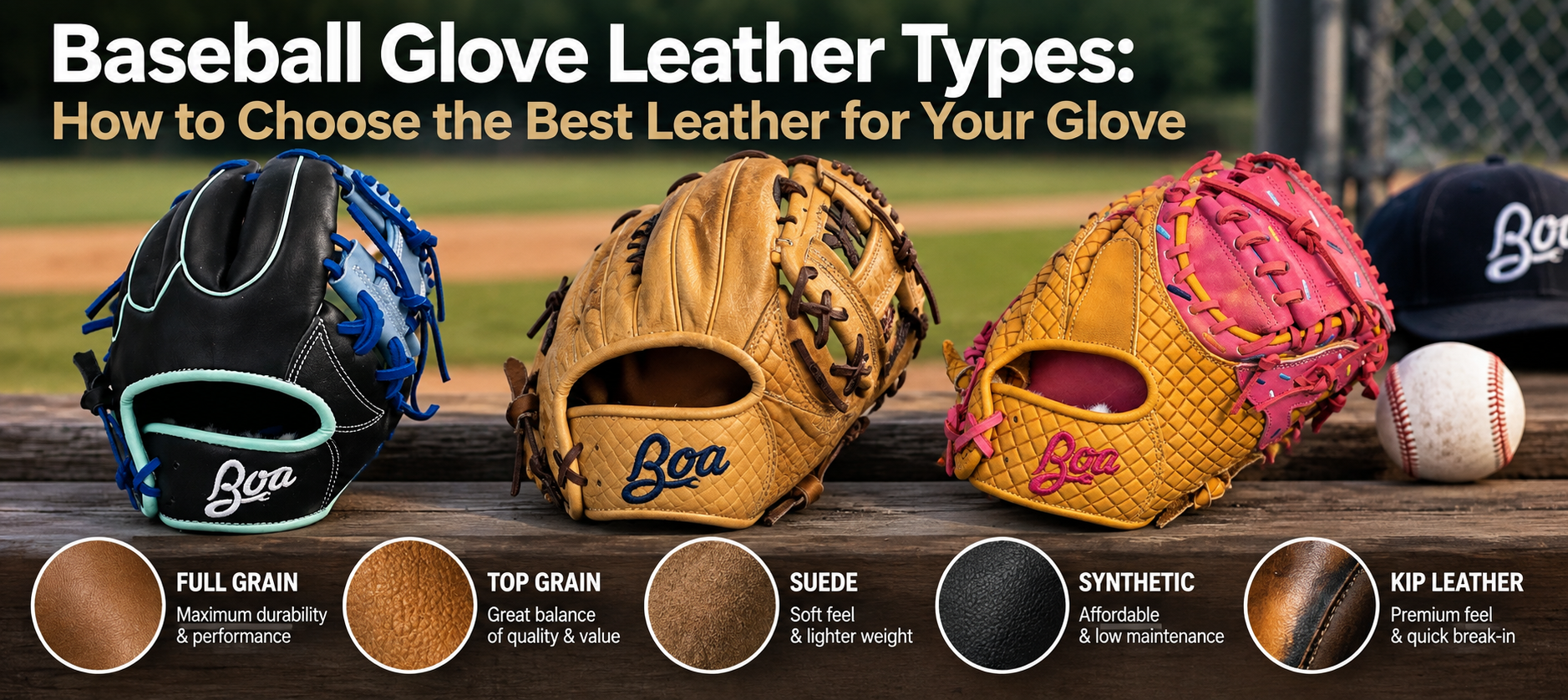
Leather choice affects how a pocket breaks in and how long it holds its shape. Boa Custom gloves are hand-stitched from Kip and Steerhide leathers, chosen for how they respond to break-in and hold their depth across a full season. Lower-grade leather tends to stretch unevenly, which can leave a pocket shallower or looser than intended right when consistency matters most.
Shallow vs Deep Glove Pocket: Benefits And Tradeoffs
Pockets don’t fall into a strict two-category split. Most gloves sit somewhere on a spectrum, and the middle ground explains why certain positions favor a depth that isn’t purely shallow or purely deep.
Shallow pockets favor speed. The ball sits near the surface of the glove, so it can be found and transferred to the throwing hand almost instantly. The tradeoff is less cushioning on contact, which is why shallow pockets suit controlled plays rather than hard, high-velocity catches.
Medium pockets balance the two extremes. They give a bit more cushion on the catch than a shallow pocket while keeping the transfer reasonably quick. Third basemen fielding hard-hit balls, some pitchers, and utility infielders often land here.
Deep pockets favor security. The ball settles further into the glove, giving more margin for error on a hard-hit ball or one caught at full extension. The tradeoff is a slower transfer, since the ball has farther to travel before a throw can follow.
| Pocket Depth | Ball Security | Transfer Speed | Common Positions |
|---|---|---|---|
| Shallow | Lower | Fastest | Shortstop, second base, middle infield |
| Medium | Moderate | Moderate | Third base, some pitchers, utility infield |
| Deep | Highest | Slowest | Outfield, catcher, first base |
Which positions typically use which depth?
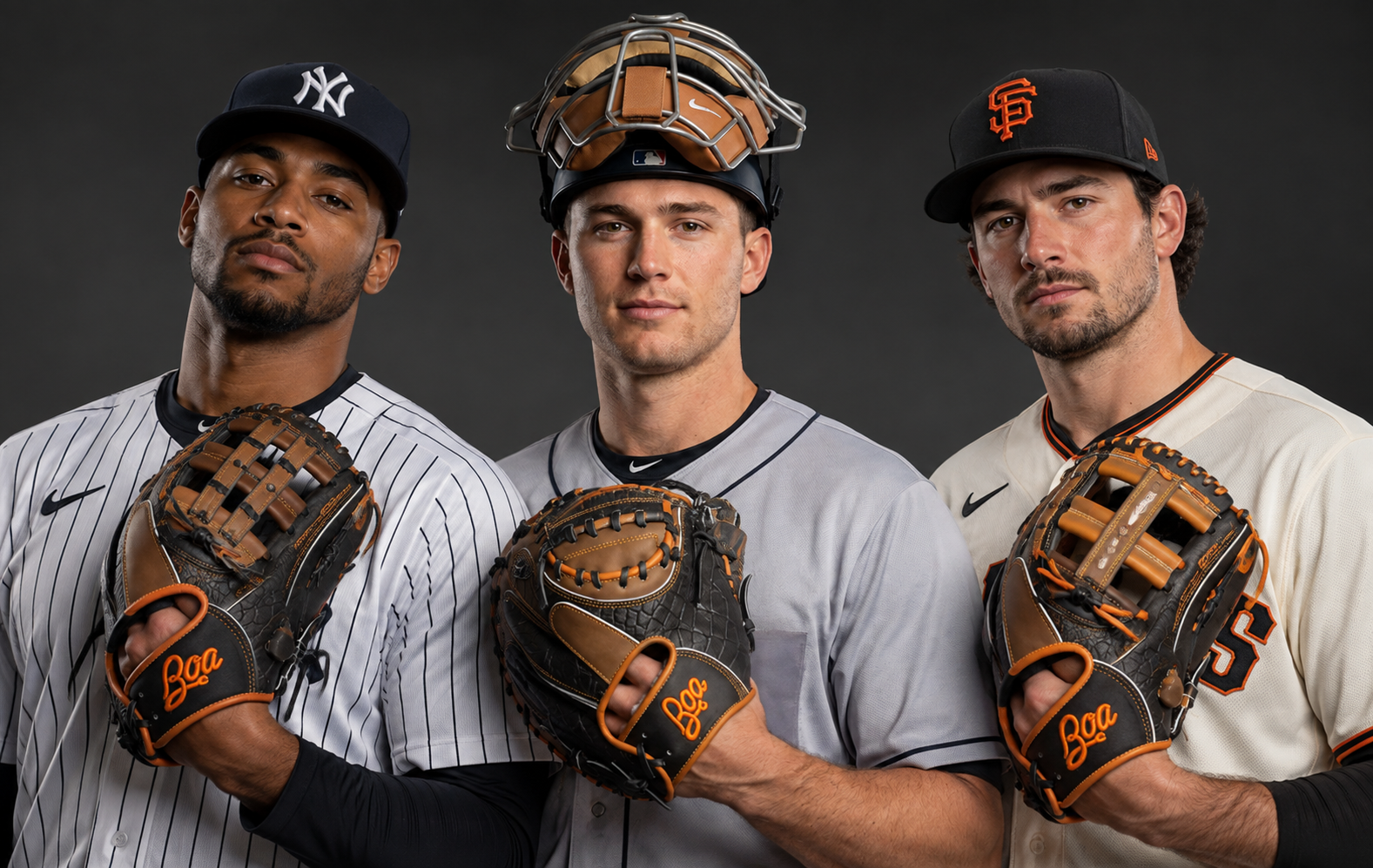
Infielders lean shallow because a play at second or short usually calls for the ball out of the glove within a second or two. Outfielders and catchers lean deep because they cover more ground, catch at full extension, or receive hard pitches where a secure catch outweighs a fast exchange. Third basemen and some pitchers often prefer a medium depth, needing a dependable catch on hard-hit or high-velocity balls without losing too much time on the transfer.
Boa Custom’s Custom Baseball Glove Position Guide: Choosing the Right Glove for Your Position walks through these tradeoffs by position, so a player can match a pattern to how they actually play rather than settle for a generic stock mold.
Position dictates pocket depth more than any other factor in glove selection. Infielders need speed
How Web Style Actually Affects Pocket Depth
Web style influences how a pocket closes and how much it can be shaped during break-in, but it does not lock a glove into one fixed depth. That’s a common oversimplification worth correcting: an open web doesn’t automatically produce a deep pocket, and a closed web doesn’t automatically produce a shallow one.
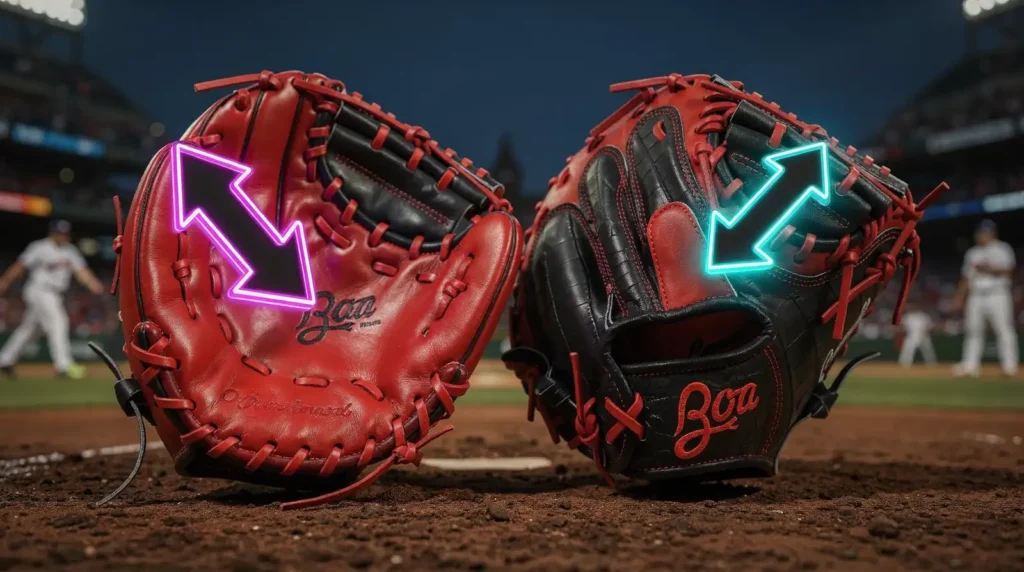
What web style actually controls is flex and closure speed. Open patterns, like basket or trapeze webs, allow more leather to move and are common on outfield gloves because they support the deeper flex a secure, full-extension catch needs. Tighter, closed patterns, like an I-web or two-piece web favored by many infielders and pitchers, restrict how far the pocket can expand, which tends to suit a shallower, faster-releasing catch. Within either baseball glove web styles family, though, leather quality and how a player breaks the glove in still do most of the work in setting the final depth, not the web pattern alone.
Boa Custom’s design process chooses web pattern, leather, and pocket depth together rather than as separate decisions, so the finished glove’s web and pocket work in concert instead of fighting each other. Because Boa Custom builds custom bats as well as gloves, a player can outfit a full custom setup, glove and bat alike, through the same design process.
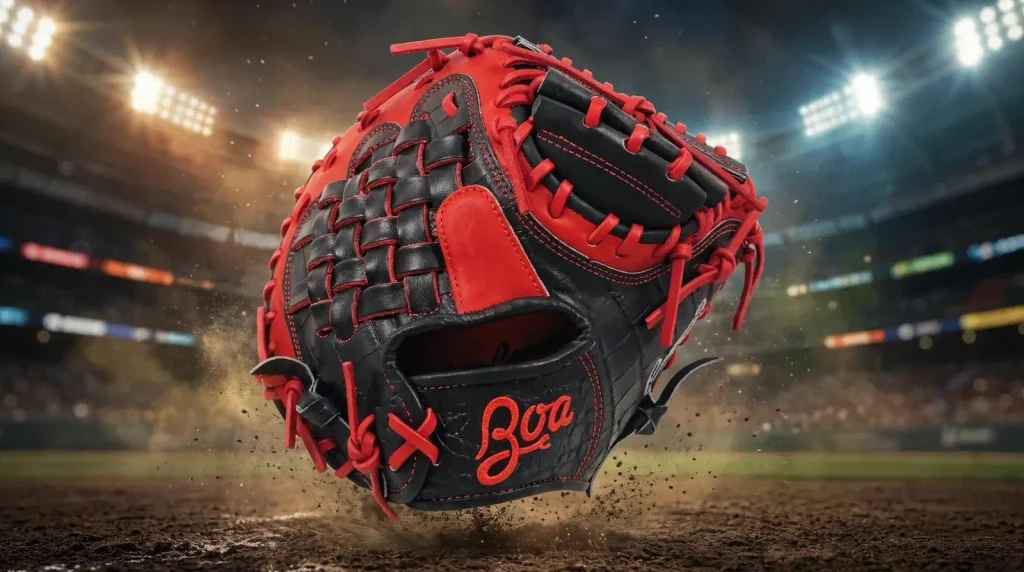
Web pattern shapes how a pocket forms, closes, and holds a baseball glove’s overall structure
Does web construction affect durability?
Durability comes down to materials more than pattern. Hand-stitched construction from premium leathers like Kip and Steerhide lets an open web flex the way basket and trapeze patterns require, without the leather losing structure or the stitching giving out over a season of heavy use.
FAQ
What’s the difference between shallow, medium, and deep glove pockets?
A shallow pocket keeps the ball near the surface for the fastest transfer, a deep pocket keeps the ball further in for the most secure catch, and a medium pocket splits the difference, offering more cushion than a shallow pocket without giving up as much transfer speed as a deep one.
Which positions typically need a deep pocket?
Outfielders and catchers usually benefit most from a deep pocket, since they cover more ground, catch at full extension, or field high-velocity pitches where a secure catch outweighs a fast exchange.
Does an open web always mean a deep pocket?
No. Web style affects how much a pocket can flex and how quickly it closes, but leather quality and break-in still determine the final depth. Open webs like basket or trapeze patterns are more commonly paired with deeper pockets, but they don’t guarantee one on their own.
Can a glove be built around a specific pocket depth?
Yes. Boa Custom’s custom baseball gloves let a player specify pocket depth alongside web style and leather choice, so the finished glove matches their exact position and playing style rather than a generic stock pattern.
Conclusion
Pocket depth is a spectrum, not a binary choice between shallow and deep. Shallow pockets reward speed, deep pockets reward security, and medium pockets offer a workable middle ground for players whose position demands a bit of both. Web style and leather quality shape how that depth forms and holds up over a season, but position and personal playing style should still drive the decision. Boa Custom’s custom design process lets players build a pocket depth, web pattern, and leather combination suited to their exact role on the field.