Custom Baseball Glove Position Guide: Choosing the Right Glove for Your Position
Selecting the right baseball glove is crucial for any player, as it can significantly impact performance on the field. Each position in baseball has specific requirements for glove size, style, and material, which can enhance a player’s ability to catch, throw, and field effectively. This guide will help you navigate the complexities of choosing a custom baseball glove tailored to your position, ensuring you make an informed decision that aligns with your playing style and needs. We will explore the best glove sizes for various positions, the ideal features for infielders and outfielders, and how customization options can enhance your glove’s fit and function. By understanding these factors, you can optimize your performance and enjoy the game to its fullest.
What Is the Best Glove Size for Each Baseball Position?
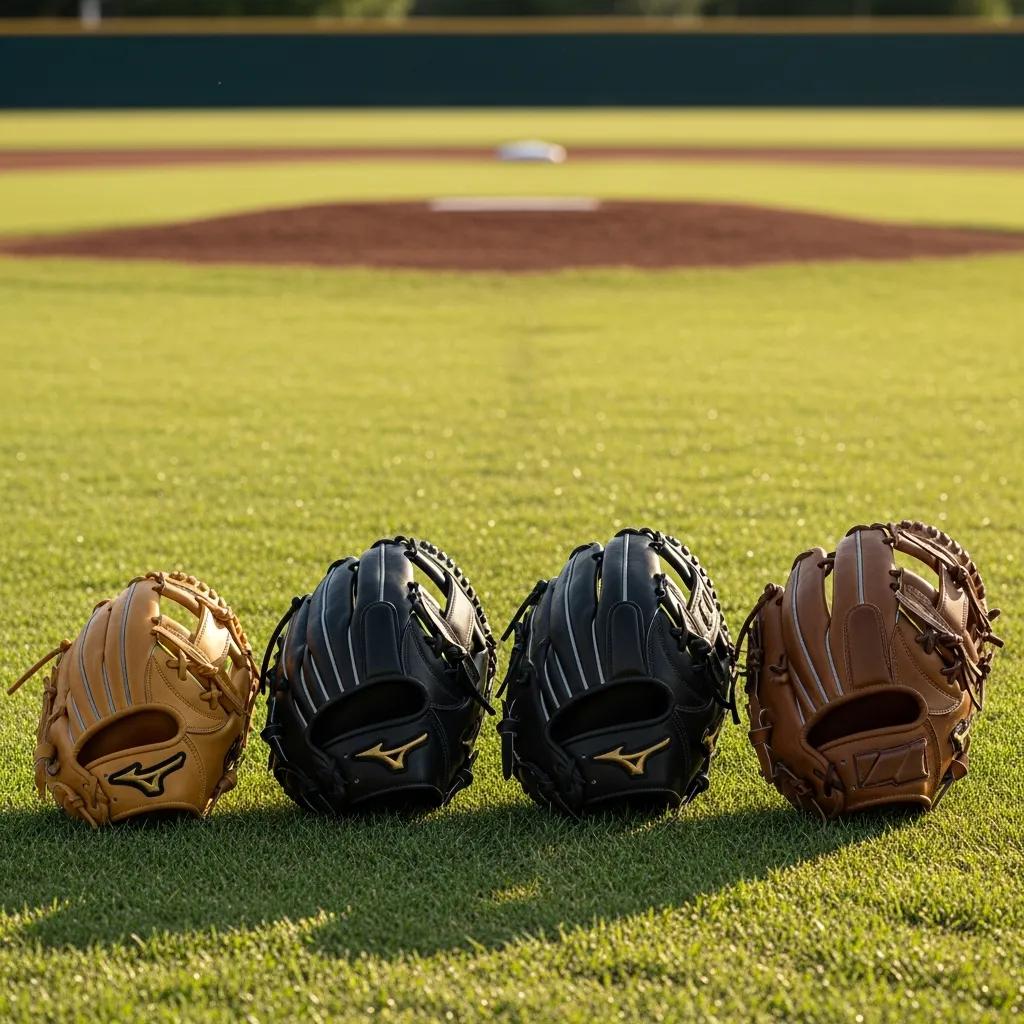
Choosing the right glove size is essential for maximizing performance in baseball. Each position has specific glove size recommendations that cater to the unique demands of the role. For instance, infielders typically require smaller gloves for quick ball transfers, while outfielders benefit from larger gloves that provide a wider catching surface. Here’s a breakdown of recommended glove sizes for various positions:
- Infielders: 11.5 to 12.5 inches
- Outfielders: 12.75 to 13.5 inches
- Pitchers: 12 to 12.75 inches
- Catchers: 32 to 34 inches (mitts)
Selecting the appropriate glove size not only enhances your ability to field the ball but also impacts your overall performance on the field. A well-fitted glove allows for better control and quicker reactions, which are vital in fast-paced game situations.
How to Determine the Ideal Infield Glove Size for Quick Ball Transfer
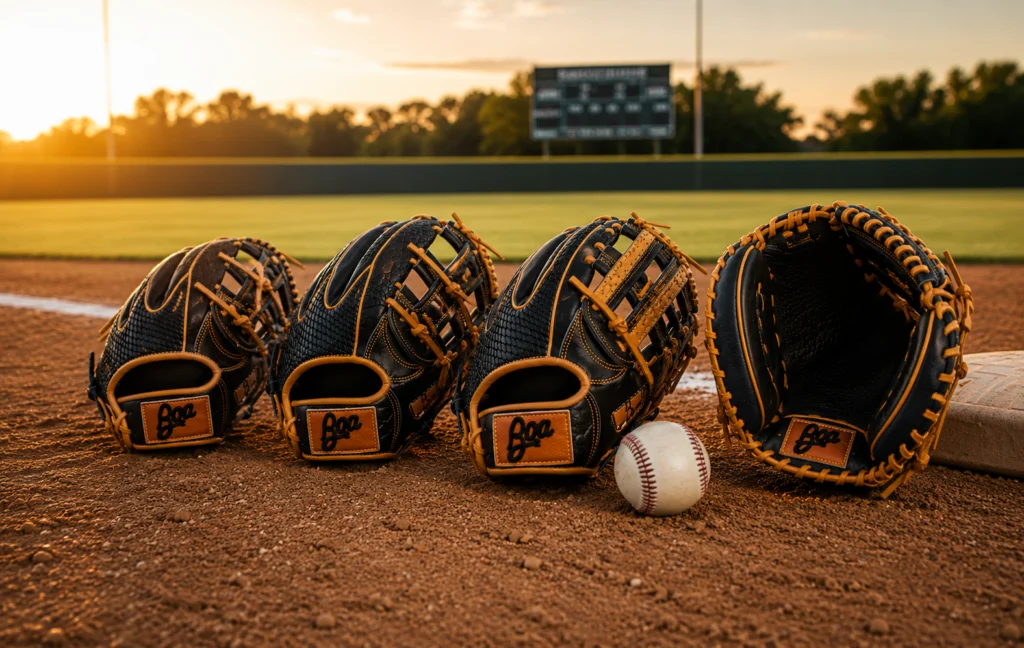
Infielders need gloves that facilitate quick ball transfers to make rapid plays. The ideal infield glove size typically ranges from 11.5 to 12.5 inches, allowing for a snug fit that enhances control. A smaller glove enables infielders to maneuver quickly and efficiently, which is crucial for turning double plays or making quick throws to first base.
Research further emphasizes the importance of compact infield glove designs for optimal performance.
Infield Glove Size & Technology
smaller infield gloves that has become the norm in infield glove design. The system created provided an easy to use sensor glove to better understand the characteristics and problems in baseball glove technology.
Measurement of baseball glove and hand dynamics, 2007
When selecting an infield glove, consider the following features that enhance quick ball transfer:
- Web Style: A closed web style provides better ball control, while an open web style allows for quicker visibility of the ball.
- Pocket Depth: A shallower pocket helps infielders retrieve the ball faster.
- Fit: A glove that fits snugly around the hand will improve dexterity and speed.
What Are the Recommended Outfield Glove Dimensions for Optimal Reach and Catching?
Outfielders require larger gloves to catch fly balls and make long throws. The recommended glove size for outfielders typically ranges from 12.75 to 13.5 inches. This size provides a larger catching surface, which is essential for securing high-flying balls.
Key features to consider for outfield gloves include:
- Web Style: An open web style is preferred for outfield gloves, as it allows for better visibility and quicker ball retrieval.
- Padding: Extra padding can help absorb the impact of catching hard-hit balls.
- Length: Longer gloves can aid in reaching for balls that are just out of grasp.
Which Glove Types and Web Styles Suit Different Baseball Positions?
Different glove types and web styles are designed to meet the specific needs of various baseball positions. Here’s a summary of glove types and their suitability:
- Infield Gloves: Typically feature a shallow pocket and closed web style for quick ball transfers.
- Outfield Gloves: Larger with an open web style to maximize catching surface and visibility.
- Pitcher’s Gloves: Often have a closed web to conceal the ball from the batter.
- Catchers’ Mitts: Heavily padded with a unique design to handle fast pitches.
Understanding the differences in glove types and web styles can help players select the best option for their position, enhancing their performance on the field.
What Are the Common Glove Web Styles and Their Benefits by Position?
Glove web styles play a significant role in how a glove performs for different positions. Here are some common web styles and their benefits:
- Closed Web: Provides better ball control and is ideal for infielders and pitchers who need to conceal the ball.
- Open Web: Offers better visibility and is preferred by outfielders for catching fly balls.
- Modified Trap: A versatile option that combines features of both closed and open webs, suitable for various positions.
Choosing the right web style can enhance a player’s ability to catch and control the ball effectively, making it a critical factor in glove selection.
How Do Custom Glove Leather Types Affect Performance and Durability?
The type of leather used in a baseball glove significantly impacts its performance and durability. Common leather types include:
- Steerhide: Known for its durability and ability to maintain shape, making it ideal for high-performance gloves.
- Kip Leather: Lighter and softer, providing a quicker break-in period and excellent feel.
- Synthetic Leather: More affordable and lightweight, suitable for beginners or casual players.
Selecting the right leather type can enhance a glove’s longevity and performance, ensuring it meets the demands of the game.
How to Use Customization Options to Enhance Your Baseball Glove Fit and Function
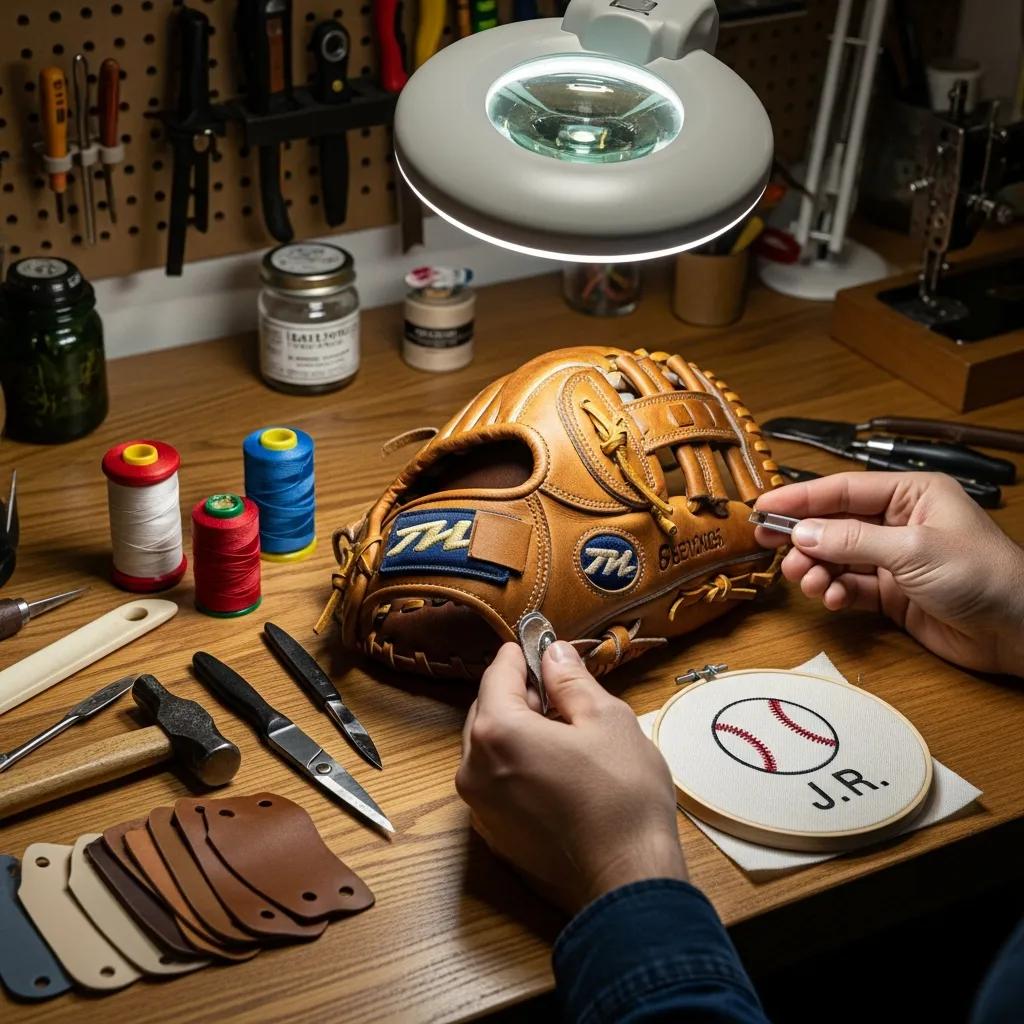
Customization options allow players to tailor their gloves to their specific needs, enhancing fit and function. Boa Custom offers a range of customization features, including:
- Glove Size: Choose the perfect size for your hand and position.
- Leather Type: Select from various leather options to suit your playing style.
- Web Style: Customize the web style to enhance your catching ability.
By utilizing these customization options, players can create a glove that not only fits perfectly but also enhances their overall performance on the field.
Beyond manufacturer options, players often employ personal methods to further customize their glove’s fit and feel.
Baseball Glove Customization & Fit
Today, many players use white medical tape to customize the fit of their equipment. Some players now wear the gloves inside their baseball gloves to provide additional padding and a more secure feel, enhancing both comfort and performance.
6 Design and materials in baseball J. SHERWOOD and P. DRANE, University of Massachusetts-Lowell,
USA, J SHERWOOD, 2007
What Personalization Features Are Available for Custom Baseball Gloves?
Personalization features can make a glove feel unique and tailored to the player. Boa Custom provides several options for personalizing your glove, including:
- Name Embroidery: Add your name or number for a personal touch.
- Color Choices: Select colors that match your team or personal preference.
- Custom Logos: Incorporate team logos or personal designs.
These personalization features not only enhance the aesthetic appeal of the glove but also foster a sense of ownership and pride in the equipment.
How Does Glove Size and Material Selection Impact Player Performance?
The size and material of a baseball glove directly influence a player’s performance. A well-fitted glove allows for better control and quicker reactions, while the right material can enhance comfort and durability.
Key considerations include:
- Fit: A glove that fits snugly will improve dexterity and speed.
- Material: High-quality leather can provide better performance and longevity compared to synthetic options.
Understanding how these factors impact performance can help players make informed decisions when selecting their gloves.
What Are the Essential Steps in Baseball Glove Fitting and Maintenance?
Proper fitting and maintenance of a baseball glove are crucial for ensuring optimal performance and longevity. Here are essential steps to follow:
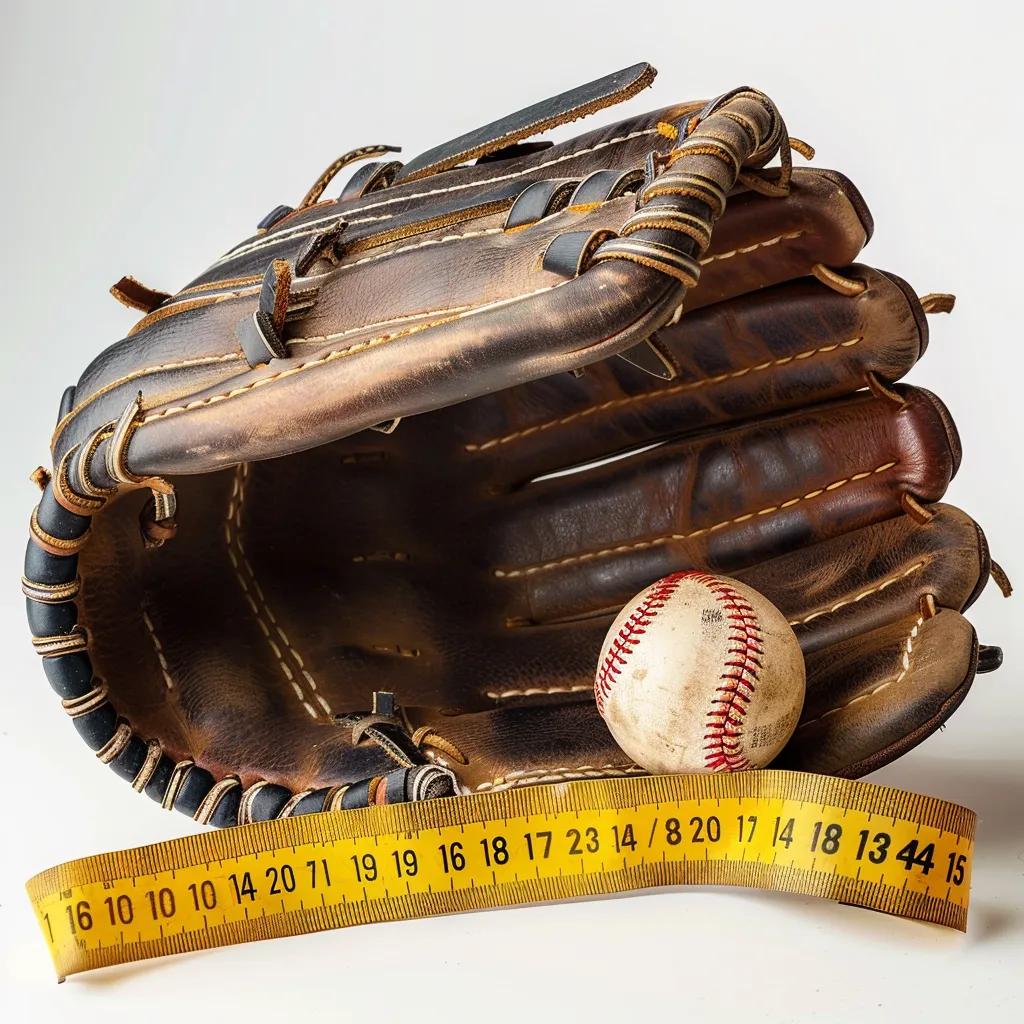
- Fitting: Ensure the glove fits snugly around the hand without being too tight.
- Break-In: Use techniques such as playing catch or applying glove oil to soften the leather.
- Cleaning: Regularly clean the glove with a damp cloth and avoid exposing it to excessive moisture.
Following these steps can help maintain the glove’s shape and functionality over time.
How to Properly Fit a Baseball Glove for Comfort and Control?
Fitting a baseball glove correctly is essential for comfort and control. To achieve the best fit, consider the following:
- Try It On: Ensure the glove fits snugly around the fingers and palm.
- Check Mobility: Move your fingers and hand to ensure flexibility and comfort.
- Consult Experts: Seek advice from experienced players or coaches for fitting tips.
A properly fitted glove enhances a player’s ability to catch and throw effectively, contributing to overall performance.
What Are Effective Glove Break-In and Care Techniques to Extend Glove Life?
Breaking in and caring for a baseball glove is vital for extending its lifespan. Here are effective techniques:
- Use Regularly: Play catch frequently to help soften the leather.
- Apply Glove Oil: Use a small amount of glove oil to maintain moisture and flexibility.
- Store Properly: Keep the glove in a cool, dry place and avoid excessive heat.
Implementing these techniques can help maintain the glove’s performance and durability over time.